
Welcome to Cat Sense!
If you are reading this blog, chances are you love your cat deeply and want to do the best you can for them. You may be here because you just adopted your first kitten, because you share your home with a senior cat, or because you’ve experienced the panic that comes when something suddenly seems wrong. No matter what brought you here, I’m glad you came.
My name is Kelly Beaudoin, and I am a Licensed Veterinary Technician (LVT) with a passion for feline health, feline behavior, and improving the lives of cats through education and advocacy. I graduated from York County Community College with my Associate’s Degree in Veterinary Technology in May 2017 and passed the Veterinary Technician National Examination in July 2017.
Between my time as a veterinary assistant and as an LVT, I spent seven years in general practice and have spent the past five years working in specialty medicine with a focus on internal medicine, oncology, and radioactive iodine therapy. I have also spent time in emergency medicine, where I saw firsthand how quickly a situation can change for both cats and the people who love them.
Outside of clinical practice, I have fostered multiple litters of kittens and adult cats with medical and behavioral needs. Some were sick, some were frightened, and some simply needed patience, understanding, and appropriate handling. Every cat has taught me something valuable.
I am currently working toward obtaining my Veterinary Technician Specialty (VTS) in Feline Clinical Practice, a goal that reflects my commitment to improving the standard of care cats receive both in and out of the veterinary setting.
For years, people have repeated the idea that cats are “good at hiding pain.” In reality, that is not entirely true. Cats communicate pain, fear, stress, and discomfort constantly through their body language, posture, facial expressions, behavior, and interactions with their environment. The problem is not that cats hide these signs — it is that many people have never been properly taught how to recognize them.
Unfortunately, this gap in education exists not only for cat owners, but within veterinary medicine itself. Many veterinary professionals — from assistants to technicians to doctors and every role in between — were taught outdated handling methods that are still considered acceptable in many practices today. Techniques such as scruffing, stretching, pinning or “boxing down,” and the routine use of restraint devices like cat bags and muzzles are often normalized despite the fear, stress, and learned helplessness they can create.
As veterinary medicine evolves, so should the way we treat cats.
Cats deserve handling that prioritizes emotional wellbeing alongside physical health. They deserve to be approached with patience, respect, and an understanding of species-specific behavior. They deserve advocates who recognize fear and pain before a cat reaches the point of panic, aggression, or shutdown.
That belief is one of the driving forces behind Cat Sense.
My goal with Cat Sense is to educate both cat owners and veterinary professionals alike. I want owners to feel empowered to recognize subtle signs of illness, pain, and stress at home. I want veterinary professionals to feel confident using low-stress, feline-friendly handling techniques that improve safety, reduce fear, and strengthen the human-animal bond. Most importantly, I want cats to receive better care.
This blog is designed to provide practical, accessible information about feline health, behavior, emergency recognition, handling, and advocacy. It is not meant to replace your veterinarian. Instead, my goal is to help you feel more informed, more confident, and better prepared to care for your cat while also encouraging higher standards of feline care within veterinary medicine.
You do not need medical training to better understand your cat. Sometimes the most important things you can do are learning to recognize subtle changes, respecting your cat’s communication, and advocating for compassionate care.
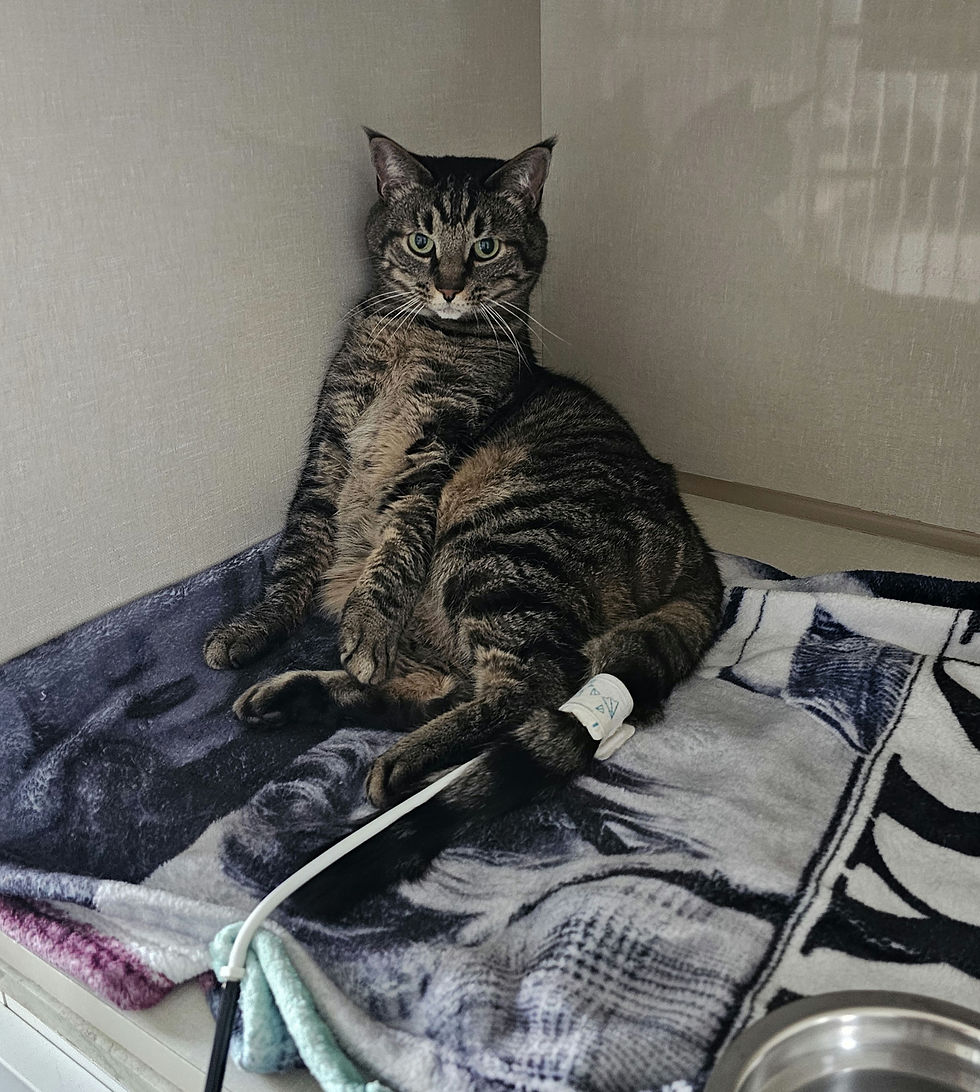
Cats deserve thoughtful, compassionate, informed care. They deserve to be understood. I hope this blog helps you feel more confident caring for the cat who trusts you completely.
Thank you for being here — and thank you for caring about cats.


Love love love!!! I have been doing more in depth reading and training on cat behavior and better handling techniques in the clinical setting. I'm am so happy when I have owners say to me, my other vet clinic can never get blood or my cat is never this relaxed at the vet and I work in urgent care, a setting that can be more stressful! I love that if I have patiece and calm and let me feline patients set the pace and let me know how they feel I can better handle them! Thankfully we have also come to realize that in some situations when we really need to get things done to facilitate better medical outcomes, better…